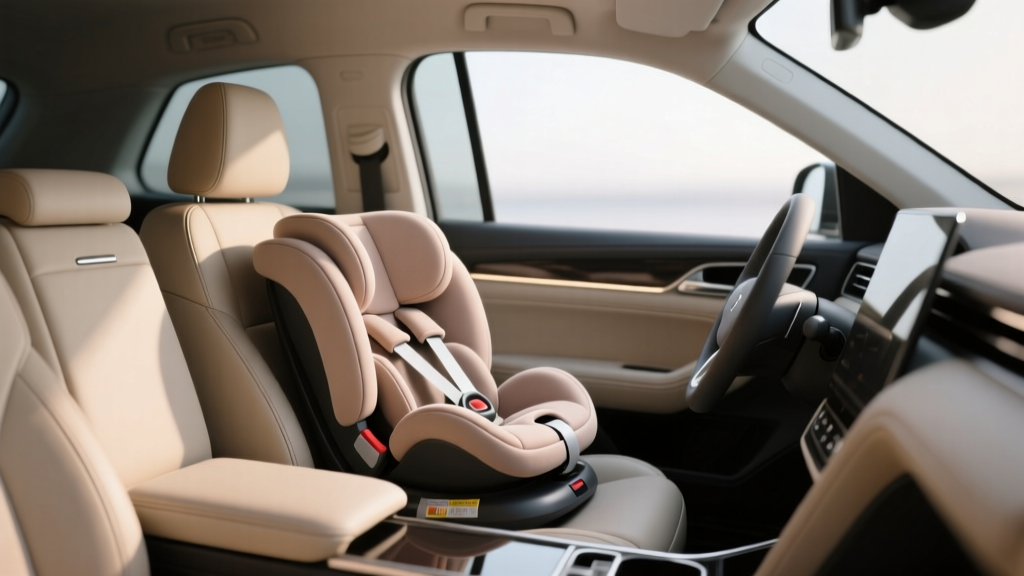
Child Seat Integration Color Matching Guide - CarInteriorMix
Installing a child seat is one of the most important things you?ll do in your vehicle, but it?s rarely the last step. Once the safety boxes are checked, many car owners notice the next issue right away: the child seat looks like it was dropped in from a different car. Bright plastics, mismatched fabrics, and bulky bases can disrupt an otherwise well-kept interior.
Color matching isn?t just about aesthetics, either. A child seat that ?fits? the interior visually often fits better physically, too. People who pay attention to finish, fabric, and trim tend to be more deliberate about installation angles, belt routing, and protecting upholstery from pressure marks. The result is a cabin that stays cleaner, wears more evenly, and still feels like your car?not a temporary nursery on wheels.
This guide breaks down how to integrate a child seat into your interior with smart color choices, practical accessories, and a few pro-level tricks. You?ll learn how to pick hues that complement your cabin, avoid common mismatches, and maintain a cohesive look without compromising safety.
Why Color Matching Your Child Seat Setup Matters
A cleaner, more ?factory? look
A well-integrated child seat setup can look surprisingly OEM when the colors and materials align. Matching tones help the seat blend into the cabin instead of standing out as a visual distraction?especially in premium interiors with stitched leather, suede, or light headliners.
Reduced visible wear and stains
Color choice affects how quickly mess shows. For example:
- Light gray or ivory interiors: Dark child seat fabrics can transfer dye, while very light child seats show stains fast.
- Black interiors: Black seats hide scuffs but show lint and dust more easily.
- Tan interiors: Warm neutrals (camel, mocha, sand) typically blend better than cool grays.
Resale-friendly interior preservation
Even if you don?t plan to sell soon, preventing indents, discoloration, and abrasion helps the cabin age well. A coordinated setup often includes the right protective accessories?used correctly?to keep seats and trim looking fresh.
Know Your Interior Palette: Identify the ?Base,? ?Accent,? and ?Hardware? Colors
Most car interiors aren?t just one color. They?re a palette. Before you shop, identify these three elements:
- Base color: Main upholstery color (black, gray, beige, brown, etc.).
- Accent color: Stitching, piping, inserts, door panels, or dash trim (red stitching, cream inserts, brushed aluminum, wood).
- Hardware color: Buckles, ISOFIX/LATCH connectors, seat base plastics, and adjusters (often black/charcoal, sometimes silver or gray).
Real-world example: A black leather interior with red stitching usually looks best with a black or charcoal child seat with subtle red accents (or at least no bright blues/greens). A beige interior with walnut trim generally pairs better with warm taupe or sand fabrics rather than cool slate gray.
Child Seat Color Matching Basics (That Actually Work)
Rule 1: Match undertones, not just the name
?Gray? can be warm (greige) or cool (blue-gray). ?Tan? can be caramel or yellow-beige. If your interior looks warm, pick warm child seat fabrics. If it looks cool and modern, pick cooler tones.
Rule 2: Choose a ?bridge? color when you can?t match perfectly
When an exact match is impossible, use a bridge tone that looks intentional:
- Black interior: charcoal, graphite, or true black
- Gray interior: medium gray, charcoal, or black (avoid very blue grays if your cabin is warm)
- Beige interior: taupe, sand, mocha, or warm gray
- Brown interior: chocolate, espresso, deep taupe
Rule 3: Avoid loud contrasts unless your interior already has them
Bright teal, primary red, or neon piping can look out of place in many cabins. If your car has sporty accents (contrast stitching, colored belts, interior packages), a modest accent can work. Otherwise, neutral is your friend.
Materials and Texture: The Overlooked Part of ?Matching?
Even if the color is close, the wrong texture can clash. Pay attention to:
- Leather vs. fabric: A shiny synthetic seat can look cheap next to matte leather or Alcantara.
- Weave and nap: Microfiber and suede-like materials often blend better with premium interiors.
- Plastic finish: Glossy plastics show scratches and look mismatched next to soft-touch interior trim.
Tip: If your interior is upscale (Nappa leather, quilted inserts), consider a child seat with a more refined fabric and minimal branding. Large logos and high-contrast labels can break the ?integrated? feel.
Step-by-Step: How to Choose a Color-Matched Child Seat Setup
-
Photograph your interior in natural light
Take photos of the rear seat and door panel with the car outside or in a bright garage. Interior lights can distort colors.
-
Identify your dominant color family
Is it warm beige, cool gray, true black, or brown? If you?re unsure, compare it to a white sheet of paper in the back seat.
-
Pick your ?safe neutral? first
For most interiors, charcoal or black works best. For light interiors, warm taupe often looks more intentional than stark black.
-
Check the seat?s plastic/base color
Many child seats have black bases even if the fabric is gray or beige. If your interior is light, a black base can create a harsh break. Look for models with gray/charcoal shells or toned plastics when possible.
-
Evaluate pattern and stitching
A subtle heathered fabric hides crumbs and scuffs better than flat, solid light colors. Contrast stitching can be a plus if it echoes your interior stitching.
-
Plan your accessories as part of the palette
Seat protectors, kick mats, and belt covers should match too. A perfectly matched child seat can still look off if the kick mat is shiny, wrinkled, or a different black.
-
Do a ?mock placement? before you commit
If you can, view the child seat in person or order from a retailer with an easy return policy. Place it in the car and check the look from outside the window and from the driver?s seat.
Accessory Color Matching: Protect the Interior Without Ruining the Look
Seat protectors (use with care)
A seat protector can help keep upholstery clean, but always follow both the car seat and vehicle manual. Some manufacturers don?t allow thick mats under certain installations because they can affect stability.
For aesthetics and practicality, look for:
- Low-profile, non-bulky designs
- Matte finish (less ?aftermarket? shine)
- Neutral colors: black, charcoal, taupe
- Minimal logos and contrast stitching
Kick mats and back-of-seat protectors
These are lifesavers for forward-facing kids. Choose a kick mat that matches your seatback tone and texture. A slightly textured matte black often blends better than slick vinyl.
Window shades and sun protection
Sun shades in black/charcoal visually disappear more than silver reflective ones. If you prefer reflective shades for heat control, pick ones with clean edges and a tailored fit to reduce the ?temporary accessory? look.
Product Recommendations and Smart Comparisons (What to Look For)
Rather than chasing a single ?best? model, focus on the features that help a child seat blend in visually while staying easy to maintain.
Best color choices by interior type
- Black interiors: black, graphite, charcoal; avoid faded-looking ?washed black? if your interior is deep black
- Gray interiors: medium gray or charcoal; heathered gray fabric hides mess well
- Beige/tan interiors: taupe, sand, mocha; avoid stark white or very cool light gray
- Brown interiors: espresso, chocolate, deep taupe; avoid orange-heavy browns unless your interior is similarly warm
Fabric vs. leatherette child seats
- Fabric covers: usually breathe better, hide minor scuffs, and come in more neutral weaves
- Leatherette/smooth synthetic: wipes clean easily but can look glossy and show scratches; can also get hot in sun
Minimal branding and clean lines
Some seats have loud color blocking, big labels, and busy patterns. If you want an integrated look, choose:
- Solid or heathered neutrals
- Subtle stitching that complements your interior
- Fewer bright plastic accents
Real-World Matching Scenarios (Quick Playbook)
Scenario 1: Black interior with piano-black trim
Choose a child seat in true black or graphite with matte plastics. Avoid shiny black shells that scratch easily and look different from soft-touch panels. Add a matte black kick mat and keep it wrinkle-free.
Scenario 2: Light beige interior with perforated leather
Go with warm taupe or sand fabric. If you choose a black child seat for practicality, soften the contrast by using a low-profile protector in dark taupe or charcoal rather than jet black.
Scenario 3: Sporty interior with red stitching
Pick a charcoal or black child seat with subtle red accent stitching (or at least no conflicting colors). Avoid blue piping?red + blue often looks accidental unless the cabin already has both.
Common Mistakes to Avoid
- Choosing based on online photos alone: Lighting and filters can shift fabric color dramatically. Look for real customer photos.
- Ignoring the base and plastics: The seat?s shell and base can be more visually dominant than the fabric panel you liked.
- Over-accessorizing: Too many add-ons (pads, organizers, toys, covers) create clutter and mismatched tones.
- Using thick or unsupported seat protectors: Always prioritize safety and manufacturer guidance over cosmetics.
- Picking very light fabrics for daily mess: If you do lots of snacks-on-the-go, choose a heathered mid-tone fabric that hides stains.
- Forgetting about UV fading: Dark child seat fabrics can fade in sunny climates. Window shades help maintain a consistent look.
Care and Maintenance Tips for a ?Blended? Look
- Vacuum weekly: Crumbs and dust make even the best-matched setup look messy.
- Wipe plastics with a matte interior cleaner: Avoid greasy shine products; they attract dust and don?t match most OEM finishes.
- Spot clean quickly: Use mild soap and water unless the manufacturer recommends otherwise.
- Rotate accessories seasonally: Swap heavy-duty winter mats or darker protectors when road salt and mud are common.
FAQ: Child Seat Integration and Color Matching
What child seat color works best in most cars?
Charcoal or graphite is the safest ?universal? option. It blends into black and gray interiors, doesn?t look as harsh in beige cabins as true black, and hides stains better than light gray.
Will a black child seat damage a light-colored leather interior?
It can, especially if dyes transfer over time or if dirt gets trapped between the seat and upholstery. Keep the area clean, avoid oily conditioners under the seat, and check the contact points periodically. If you notice discoloration starting, remove the seat and clean the upholstery promptly.
Are seat protectors safe to use under child seats?
It depends on the child seat and vehicle manufacturer guidelines. Some allow thin protectors; others discourage them. Always follow both manuals and avoid thick, squishy pads that can affect tightness. If you use one, choose a low-profile protector and confirm the installation remains secure.
How do I match a two-tone interior (like black and tan)?
Pick the child seat color based on what surrounds it most. If the seating surface is tan but the seatbacks/door panels are black, charcoal often looks more cohesive. If the entire rear bench is tan, a warm taupe child seat usually blends better than black.
Do patterned child seat fabrics look better or worse?
Subtle patterns (like heathered weaves) often look better because they hide crumbs and scuffs and read as more ?textile-like,? similar to OEM upholstery. Loud patterns and high-contrast graphics tend to clash unless your interior is already playful or highly customized.
Next Steps: Build a Clean, Cohesive Child Seat Setup
Start by identifying your interior?s undertone (warm vs. cool), then choose a child seat in a neutral that bridges the gap?charcoal, graphite, taupe, or true black depending on your cabin. Treat accessories as part of the same palette, keep finishes matte, and stay cautious with anything placed under the seat so you don?t compromise installation.
If you want the best results, do a quick weekend refresh: vacuum the rear bench, wipe down plastics, install a well-matched kick mat, and reassess the look in daylight. Small changes add up fast, and your interior will feel calmer, cleaner, and more intentional.
For more practical interior tips?materials, protection, cleaning, and OEM-style upgrades?explore the latest guides on carinteriormix.com.